
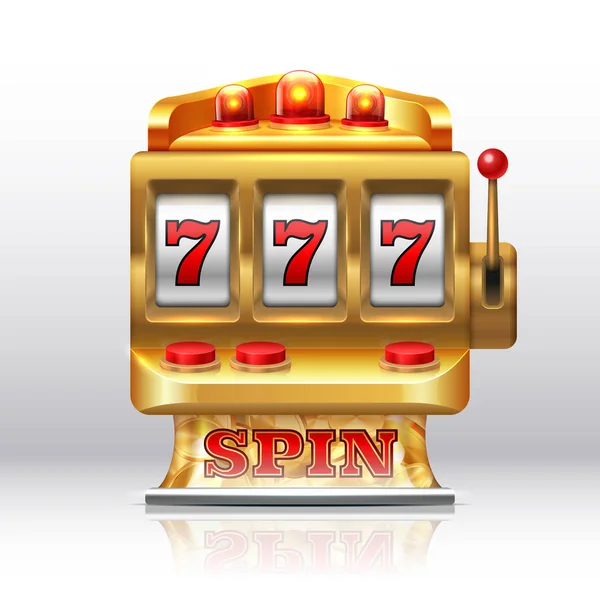
Have you ever heard someone say a machine is “hot” because it has paid recently, or “cold” because it has stayed quiet for too long?
This idea is common among many players, but it can also create confusion. The truth is simpler than most people think, and understanding it can help players look at slots with a clearer mind.
The terms hot and cold are often used to describe recent results. A hot game is usually seen as one that has given several wins in a short time. A cold game is seen as one that has not paid much for a while. These labels sound useful, but they do not prove what will happen next.
What Hot And Cold Really Mean
Hot and cold are not official signs that a game is ready to pay or ready to stop paying. They are casual words players use to explain what they have just seen.
Recent Results Can Feel Important
When a player sees several wins close together, it is natural to think the game is in a good phase. This feeling can be strong because the results are easy to remember. A few exciting wins can make the game feel more active than usual.
In many online discussions, players may use the word slot when talking about games that seem active, lucky, or quiet. However, a recent pattern does not always tell the full story. It only shows what happened in the past, not what must happen in the next spin.
Each spin is separate from the one before it. A win does not force another win to come soon, and a long quiet stretch does not guarantee that a prize is close. This is one of the most important ideas for players to understand.
The reason hot and cold ideas spread so easily is that people like patterns. When the mind sees repeated results, it tries to connect them. That habit is useful in daily life, but it can mislead players when chance is involved.
Why The Next Spin Is Still Uncertain
Slots run on random outcomes. This means the next result is not controlled by the result that came before it.
The Past Does Not Control The Next Result
A game may feel cold after many quiet spins, but that does not mean it is storing a win for later. It may also feel hot after a few good moments, but that does not mean it will keep paying. The next spin remains uncertain either way.
This is why chasing a cold game can be risky. Some players keep going because they believe a win is “due.” Others leave a hot game too late because they believe the good run will continue. Both choices are based more on feeling than on reliable information.
Some players also connect payment habits with terms such as depo, especially when discussing how much they start with before playing. A clear budget can help, but it should not be based on the belief that a hot or cold label can predict results.
A better approach is to treat each session as entertainment with a set limit. The player decides before starting how much time and money to use. This keeps the session controlled, even when the game seems active or quiet.
How Players Can Think More Clearly
Understanding hot and cold ideas does not remove the fun from slots. It can actually make play feel more relaxed because expectations become more realistic.
Focus On Limits Instead Of Labels
Instead of asking if a game is hot or cold, it is more useful to ask if the session still fits your limit. If the answer is no, stopping is the smarter choice. A game’s recent behavior should not push someone beyond what they planned.
Players should also remember that short sessions can feel dramatic. A few wins or losses close together may seem meaningful, but they may simply be part of normal variation. Random games can produce streaks without having a hidden pattern behind them.
Hot and cold labels can still be used casually, as long as they are not treated as facts. Saying a game feels hot is different from believing it must keep paying. Saying a game feels cold is different from believing a win is guaranteed soon.
The truth about hot and cold slots is that they are mainly player-made descriptions of recent results. They can describe how a game has felt, but they cannot safely predict what comes next. A clear budget, calm expectations, and the ability to stop are far more useful than trusting a label.






Leave a Reply